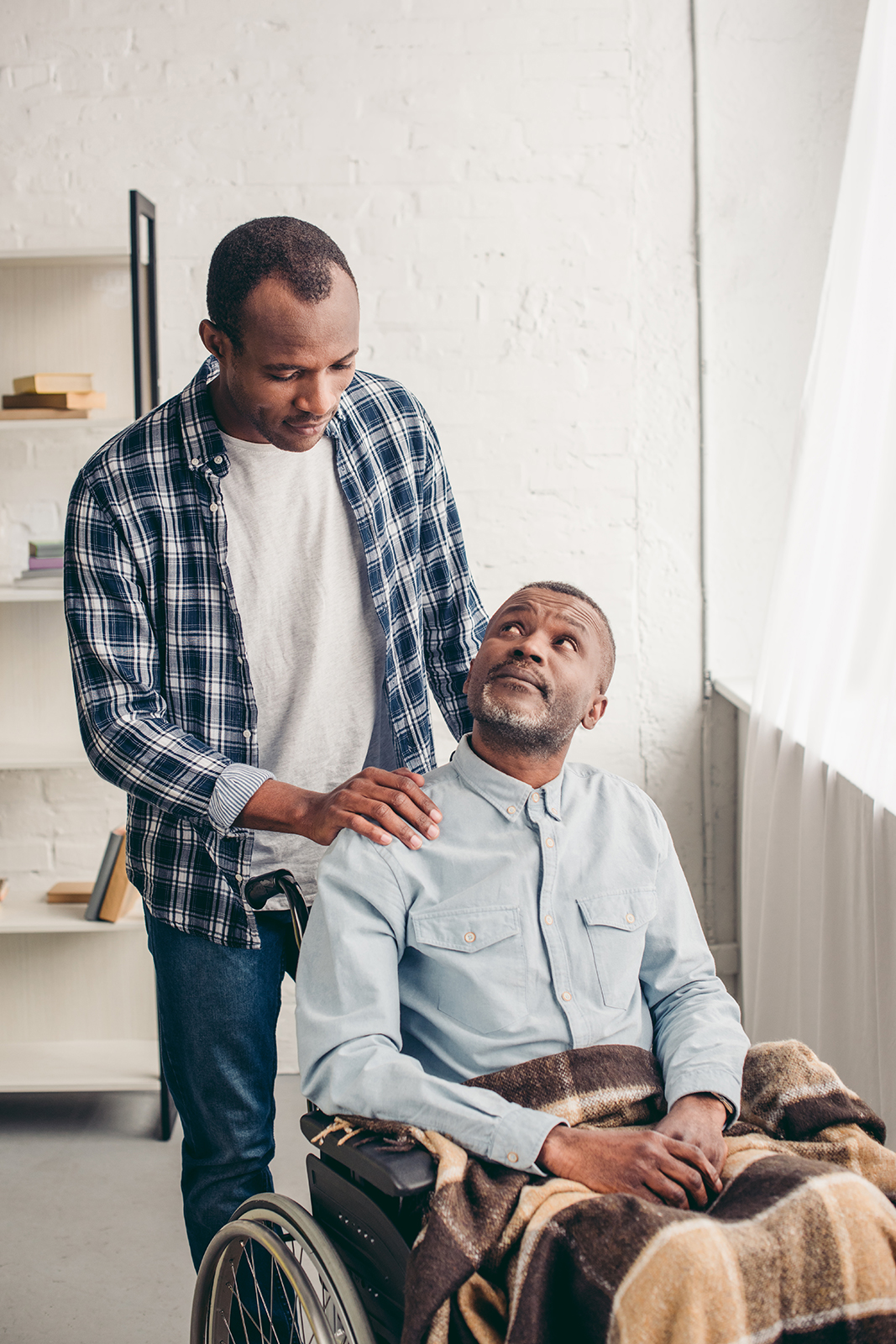
A brain tumor diagnosis can feel overwhelming. Whether discovered suddenly or after a series of symptoms, it often brings new information, specialists, and decisions that need to be made quickly.
Caregivers commonly find themselves trying to:
It can feel like everything is happening at once, with little time to process or plan.

Support for brain tumors is not about replacing medical care. It is about helping families understand what is happening and feel more prepared to navigate decisions and changes over time.
Our care team works alongside families to help them make sense of information, prepare for provider conversations, and think through options at a pace that feels manageable.
Support adapts over time, recognizing that brain tumor care may involve treatment phases, recovery periods, and ongoing adjustments.


Brain tumors can affect cognition, behavior, mobility, and energy levels in ways that are difficult to predict.
Caregivers may notice changes in personality, memory, or communication, and feel unsure how to respond. Daily routines may shift as needs increase or fluctuate.
We help families understand common patterns and organize care in a way that feels less overwhelming. This may include coordinating services, supporting transitions between care settings, and identifying when additional help may be needed.
The goal is not to take over. It is to reduce uncertainty and help families feel more grounded in day-to-day care.
Brain tumor diagnoses often raise difficult questions about what comes next.
Families may feel pressure to make decisions quickly while also trying to process new information.
Support helps caregivers look ahead thoughtfully, without forcing decisions before they are ready. By understanding possible paths and available options, planning can feel steadier and less reactive.
Caring for someone with a brain tumor can be emotionally and physically demanding.
Caregivers may experience stress, fear, and exhaustion as they navigate ongoing changes.
We provide emotional and mental health support from clinicians who understand both complex medical conditions and caregiving dynamics, helping caregivers feel heard and supported over time.
While much of our work is caregiver-focused, individuals living with brain tumors are also supported. We help patients feel included, respected, and informed to the extent they wish and are able, always centering dignity and compassion.
Getting started is simple and pressure-free. You’ll connect with a member of our care team to talk through your situation, ask questions, and understand what support could look like for you and your family.