
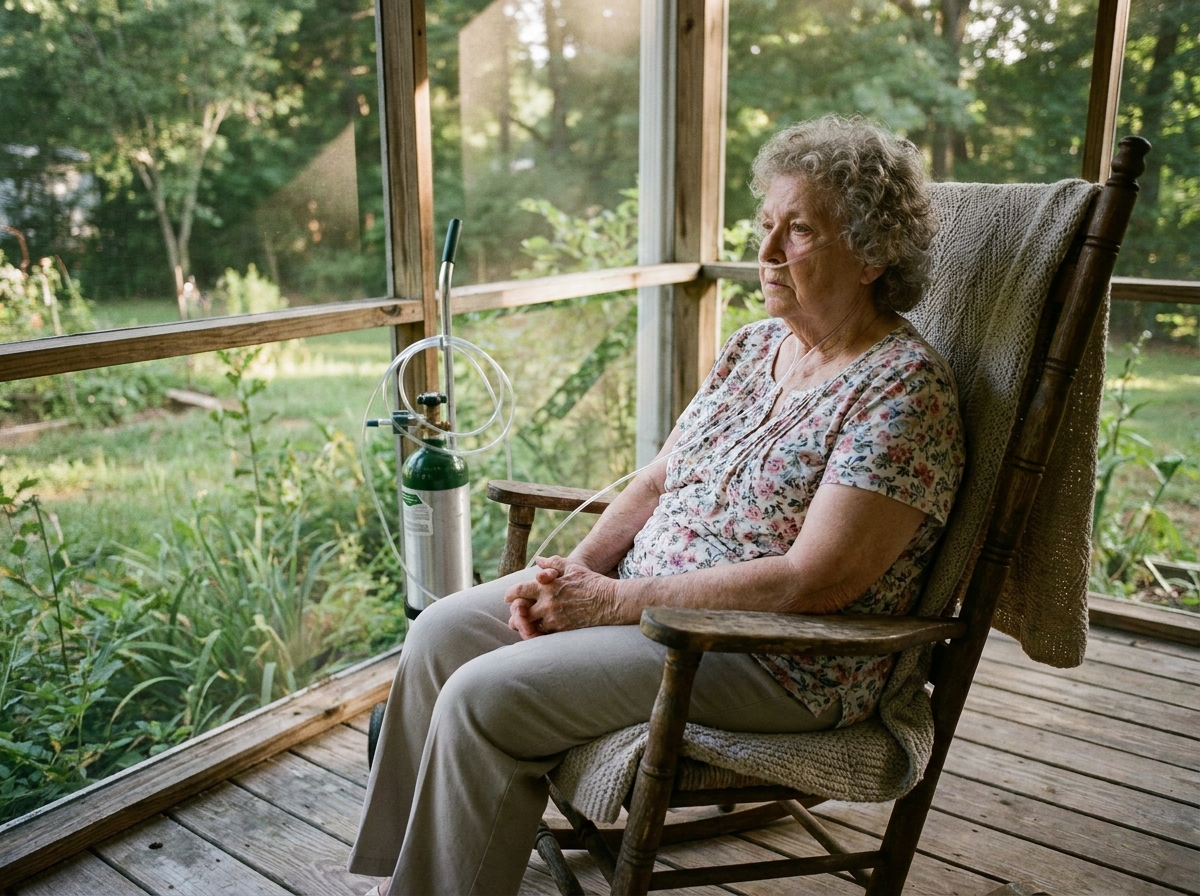
When you're caring for a loved one with Chronic Obstructive Pulmonary Disease (COPD), understanding what triggers their flare-ups—also known as exacerbations—is paramount. A COPD flare-up is a sudden worsening of respiratory symptoms like shortness of breath, coughing, and wheezing, which can be alarming and significantly impact your loved one's quality of life. For family caregivers, recognizing and proactively managing these triggers is a critical part of maintaining stability and providing effective support.
Life with COPD can be unpredictable for both patients and family caregivers. Understanding what commonly triggers flare-ups can help families respond earlier, reduce complications, and better support long-term stability.
Understanding COPD Flare-Ups: A Caregiver's Perspective
A COPD flare-up occurs when the airways become more inflamed and constricted, making breathing significantly harder. These episodes can range from mild to severe, often requiring immediate medical attention. As a caregiver, your vigilance in identifying early signs and understanding potential causes can make a profound difference in your loved one's health outcomes, helping to prevent hospitalizations and maintain their comfort.
Common Triggers for COPD Flare-Ups
Many factors can provoke a COPD flare-up. Caregivers should be especially aware of these prevalent culprits:
Environmental Irritants
Exposure to certain substances in the air is a major trigger. For caregivers, this often means closely monitoring the home environment and activities.
- Tobacco Smoke: This is the most common and damaging irritant. Even secondhand smoke can severely worsen COPD symptoms. Ensuring a smoke-free environment is non-negotiable.
- Air Pollution: Outdoor pollution, smog, and even indoor pollutants like fumes from cooking, cleaning products, or fireplaces can irritate airways. Consider using air purifiers and ensuring good ventilation.
- Strong Chemical Fumes: Aerosol sprays, paints, strong perfumes, or even some household cleaners can be potent irritants. Opt for unscented products and ensure proper ventilation when cleaning.
- Dust and Allergens: Dust mites, pet dander, pollen, and mold can trigger reactions. Regular cleaning and allergy management can help.
Respiratory Infections
Infections are a leading cause of severe COPD exacerbations. As a caregiver, preventing infection is a high priority.
- Colds and Flu: Common viral infections can quickly escalate in someone with COPD. Encourage frequent hand washing and avoid contact with sick individuals.
- Pneumonia: Bacterial or viral pneumonia can be life-threatening for COPD patients. Annual flu shots and pneumonia vaccinations are crucial preventive measures.
- Bronchitis and Sinus Infections: Even milder infections can irritate airways and lead to a flare-up.
Weather Changes
Changes in weather can significantly impact breathing for individuals with COPD.
- Cold, Dry Air: This can constrict airways and make breathing difficult. Encourage your loved one to wear a scarf over their mouth and nose when going outside in cold weather.
- High Humidity: Excessive humidity can make the air feel heavy and harder to breathe.
Non-Adherence to Treatment Plans
Consistent adherence to prescribed medications and therapies is vital for managing COPD and preventing flare-ups. Your COPD Action Plan: What Family Caregivers Need to Know is a living document that caregivers must follow diligently.
- Skipping Medications: Inhalers, bronchodilators, and other prescribed drugs help keep airways open and reduce inflammation. Missing doses can quickly lead to worsened symptoms.
- Improper Inhaler Use: Ensuring your loved one uses their inhaler correctly and regularly is key. Caregivers often play a vital role in monitoring this.
- Lack of Oxygen Therapy: If prescribed, consistent oxygen use is essential.
Emotional Stress and Fatigue
The connection between emotional well-being and physical health is profound, especially in chronic conditions. High stress levels and physical exhaustion can indirectly trigger or worsen COPD symptoms.
- Anxiety and Depression: These can exacerbate breathing difficulties and make managing the condition harder. Seeking support for both your loved one and yourself can be beneficial. How to Recover From Caretaker Burnout is an important resource for caregivers managing stress.
- Lack of Sleep: Poor sleep can weaken the immune system and increase overall fatigue, making your loved one more susceptible to triggers.
Recognizing the Early Signs of a Flare-Up
Caregivers are often the first to notice subtle changes. Early recognition allows for quicker intervention. Watch for:
- Increased shortness of breath or difficulty breathing (dyspnea).
- More frequent or severe coughing.
- Increased mucus production, or changes in mucus color (yellow, green, brown) or thickness.
- Increased wheezing or chest tightness.
- Unusual fatigue or lack of energy.
- Swelling in the ankles, feet, or legs.
- Sleeping more than usual
- Reduced appetite
If you notice any of these signs, refer to your loved one's COPD action plan and contact their healthcare provider or a care navigator immediately. A coordinated approach to care can make a significant difference in managing these episodes. Learn more about What is the Meaning of Coordinated Care for Family Caregivers? and how it can help.
Proactive Caregiving: Preventing and Managing Triggers
Environmental Control at Home
Work to create a clean, allergen-reduced, and smoke-free living space. Use air purifiers, ensure good ventilation, and avoid strong chemical scents. Consult with healthcare providers or a Nolia Health care navigator for tailored advice on home modifications.
Infection Prevention Strategies
Encourage regular hand hygiene, ensure up-to-date vaccinations (flu, pneumonia, COVID-19), and minimize exposure to crowds, especially during cold and flu season.
Adherence to the COPD Action Plan
Regularly review and ensure compliance with the prescribed medication regimen, oxygen therapy, and pulmonary rehabilitation exercises. Maintain open communication with the healthcare team.
The Role of Care Navigation and Support
Navigating COPD care can be overwhelming. Services like Nolia Health provide essential care navigation, therapy, and ongoing support tailored for family caregivers. A care navigator can help you understand your loved one's condition, identify triggers, coordinate care, and provide emotional support. Explore Support for COPD Family Caregivers to see how expert guidance can ease your caregiving journey.
People Also Ask About COPD Flare-Ups
What are the warning signs of a COPD flare-up?
Warning signs include increased shortness of breath, more frequent or severe coughing, changes in mucus (color or amount), increased wheezing or chest tightness, and unusual fatigue. Early detection is key for prompt treatment.
How can a caregiver help prevent COPD flare-ups?
Caregivers can help prevent flare-ups by ensuring a smoke-free environment, minimizing exposure to environmental irritants, promoting good hygiene and up-to-date vaccinations to prevent infections, ensuring medication adherence, and managing stress levels for their loved one.
How long do COPD flare-ups typically last?
The duration of a COPD flare-up varies, but symptoms often worsen over several days and can take weeks to fully resolve. Some severe exacerbations may require hospitalization and extended recovery periods.
When should a caregiver seek medical attention for a COPD flare-up?
Seek immediate medical attention if your loved one experiences severe shortness of breath, confusion, blue lips or fingers, increased coughing or wheezing that doesn't improve with rescue medication, or signs of infection like fever. Always follow the specific instructions in their COPD action plan.
Understanding and actively managing COPD flare-up triggers is a cornerstone of effective caregiving. By staying informed, observant, and proactive, you can significantly enhance your loved one's well-being and ensure they receive timely support. Remember, you don't have to navigate this journey alone; resources like Nolia Health are here to provide comprehensive support and guidance.
Support for Families Managing COPD
COPD flare-ups can feel stressful and unpredictable, especially for family caregivers balancing medications, appointments, symptom monitoring, and day-to-day support. Understanding common triggers and recognizing early warning signs can help families respond sooner and potentially reduce complications.
If you’re supporting a loved one living with COPD and would benefit from additional guidance, you can check your eligibility to see how Nolia may be able to support you.
\[ View your benefits \] – it takes about a minute.
.svg)
.svg)
.svg)