
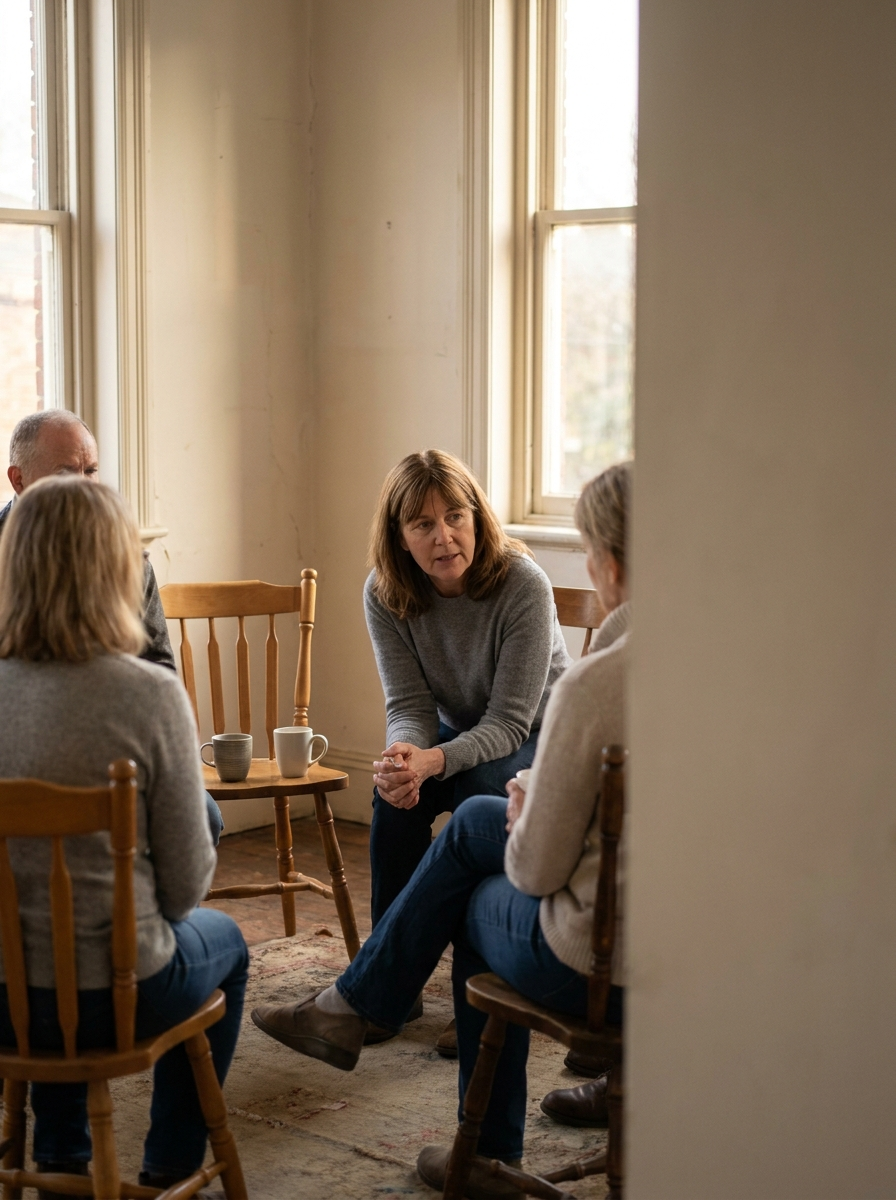
Caregiver dementia support groups can be a lifeline for those navigating the challenging journey of caring for a loved one with dementia. If you’re feeling isolated, overwhelmed, or simply in need of a safe space to share your experiences, you're not alone. These groups provide a nurturing environment where caregivers can find empathy, understanding, and practical advice. The journey of caregiving is unique to each person, but support groups can help you feel connected and more equipped to handle the daily challenges.
What Are Caregiver Dementia Support Groups?
Caregiver dementia support groups are gatherings, either in-person or online, where individuals caring for someone with dementia come together to share experiences, offer support, and gain insights. These groups can be led by professional facilitators or by peers who understand the demands of caregiving. The Alzheimer’s Association, for instance, offers a variety of support groups tailored to different stages of caregiving, providing a structured setting for learning and sharing.
Why Should I Join a Caregiver Dementia Support Group?
Joining a caregiver dementia support group can offer numerous benefits. Being part of a group allows you to connect with others who truly understand the emotional and physical demands of caregiving. Members often share coping strategies and practical tips that can make your caregiving tasks more manageable. Additionally, these groups can provide reassurance and reduce feelings of isolation, as you'll realize that many others are experiencing similar challenges.
How Can I Find a Support Group Near Me?
Finding a local support group can be as simple as reaching out to local hospitals, community centers, or organizations like the Alzheimer's Association, which often maintain lists of available groups. Online directories and platforms like Meetup can also help you locate groups in your area. For those unable to attend in-person meetings, online support groups offer flexibility and accessibility, connecting you with caregivers worldwide.
What Should I Expect When Attending a Support Group?
When attending a caregiver dementia support group, expect a welcoming and confidential environment where you can share your experiences without judgment. Meetings typically last about an hour and may follow a structured format with time for open discussion. Group members can discuss various topics, from managing stress to navigating healthcare systems. The focus is often on mutual support and learning from each other’s experiences.
How Can I Prepare for My First Meeting?
Preparing for your first meeting can help ease any anxiety. Consider noting down any questions or topics you’d like to discuss. Remember, it’s perfectly okay to just listen during your first few sessions. Observing how others share and interact can give you a better sense of the group dynamic and reassure you that it’s a safe space.
What Are the Benefits of Online Support Groups?
Online support groups offer flexibility and convenience, allowing you to connect with others from the comfort of your home. They are particularly beneficial if you have mobility issues or live in a rural area without easy access to in-person meetings. Platforms like Facebook or specialized forums provide moderated spaces where you can share experiences, ask questions, and receive support at any time of the day or night.
How Do I Choose the Right Online Group?
When choosing an online group, consider its size, the platform used, and the rules of engagement. Look for groups that are moderated to ensure a respectful and supportive environment. Reading reviews or asking for recommendations from other caregivers can also help you find a group that aligns with your needs.
How Can Support Groups Help Me Manage Stress?
Support groups offer a space to express your feelings and frustrations, which can be incredibly cathartic. Sharing your story and listening to others can provide new perspectives and strategies for managing stress. Moreover, groups often discuss self-care techniques and stress-relief practices, helping you to incorporate these into your daily routine.
Are There Specialized Groups for Different Stages of Caregiving?
Yes, there are specialized groups designed for caregivers at different stages of the caregiving journey. Some groups focus on early-stage dementia, while others provide support for those dealing with advanced stages. This specialization allows you to connect with others facing similar challenges, making the advice and support more relevant to your situation.
How Can I Find Specialized Support Groups?
To find specialized support groups, consider contacting organizations like the National Institute on Aging or the Alzheimer’s Association. They can provide information on groups that match your specific caregiving stage. Additionally, discussing your needs with healthcare providers can lead to personalized recommendations.
Frequently Asked Questions
What if I feel nervous about attending a group?
Feeling nervous is completely normal. Many find it helpful to start by listening and gradually participating as they become more comfortable.
Can I bring my loved one to the support group?
Most caregiver support groups are designed solely for caregivers to ensure a space for open discussion, but some groups may offer concurrent sessions for care recipients.
Are there any costs associated with joining a support group?
While many support groups are free to join, some may ask for a small donation or membership fee. It's best to check with the specific group for details.
What if I can't find a local group?
If local groups are unavailable, consider joining online support groups, which offer flexibility and the opportunity to connect with caregivers globally.
How often should I attend support group meetings?
Attendance is flexible and depends on your needs and schedule. Some find attending weekly beneficial, while others may attend less frequently.
Are support groups suitable for all caregivers?
Support groups are generally beneficial, but each person's needs are different. It's important to find a group that feels right for you.
Can support groups provide medical advice?
No, support groups are for sharing experiences and providing emotional support. Always consult a healthcare professional for medical advice.
What Are the Next Steps?
If you're ready to explore the benefits of caregiver dementia support groups, consider reaching out to organizations like the Alzheimer's Association or the National Institute on Aging for more information. Additionally, connecting with care navigation services can help you find resources tailored to your needs. For emotional support, consider caregiver therapy with Nolia Health, where you can connect with professionals who understand your journey. Remember, you don't have to navigate this path alone—support is available to help you every step of the way.
.svg)
.svg)
.svg)